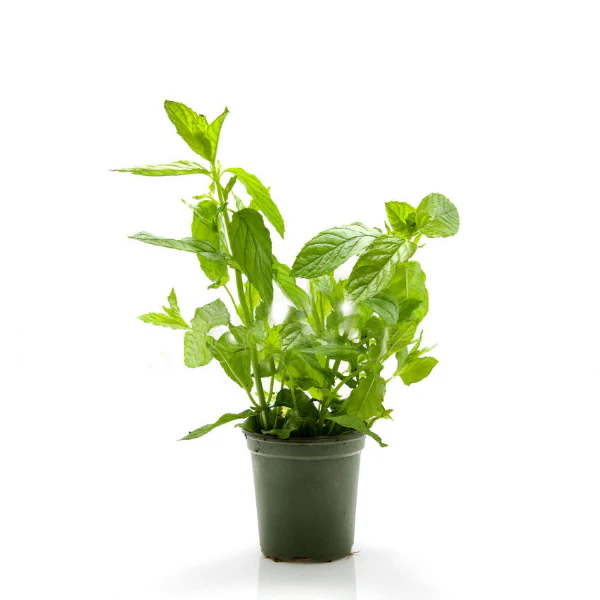
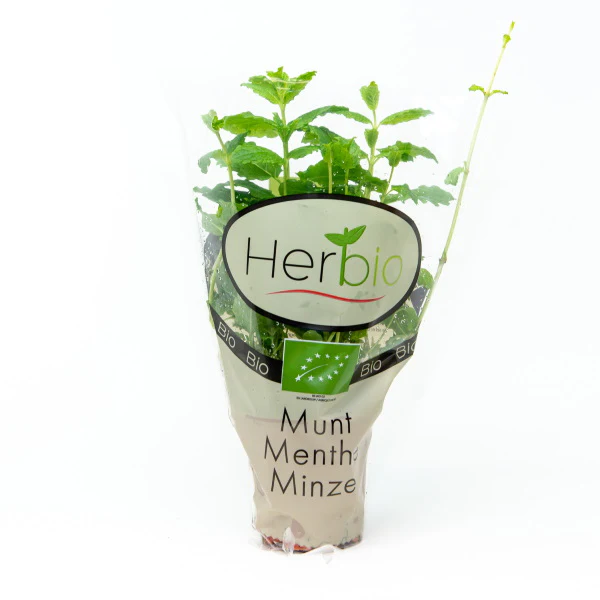
Thyme, plant in a pot, organic, single piece
Origin: Belgium
-
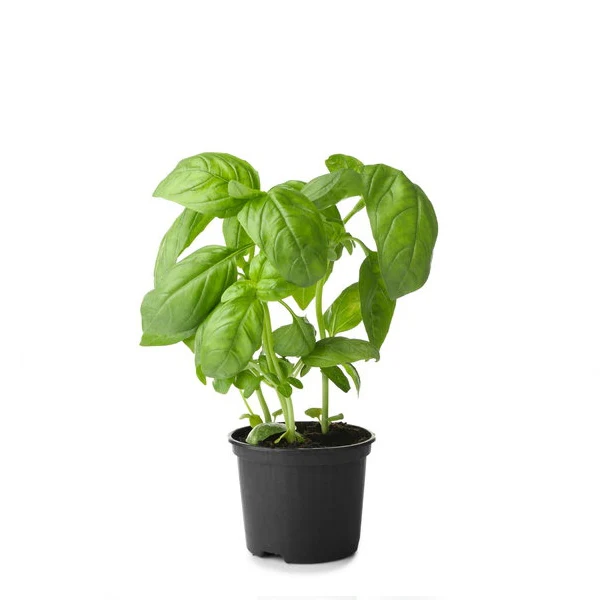
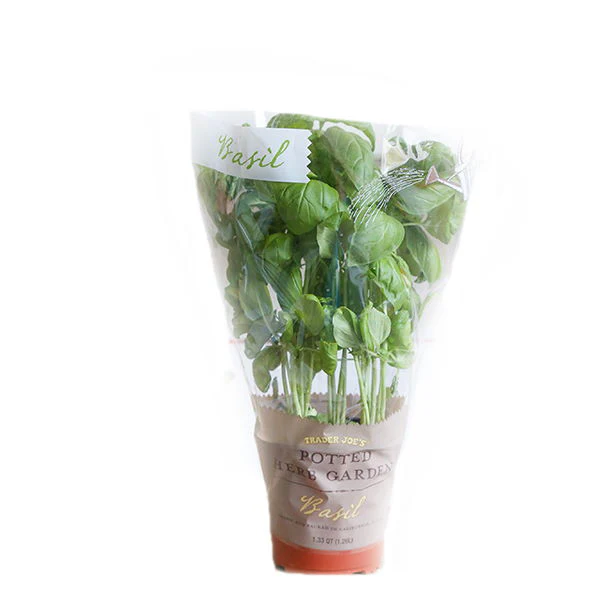
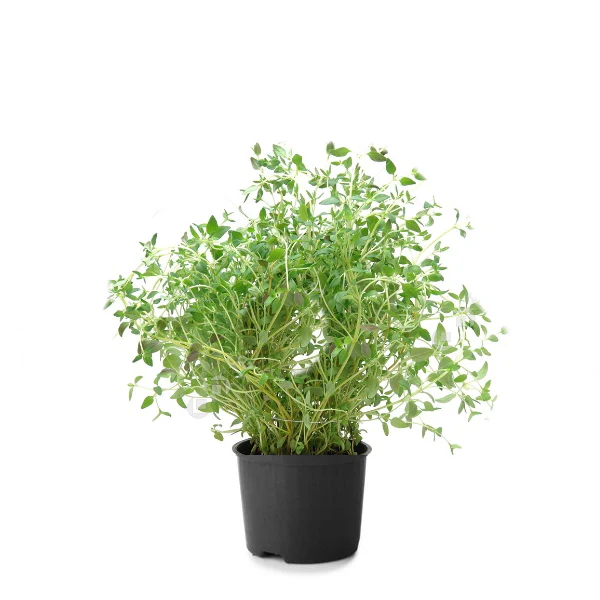
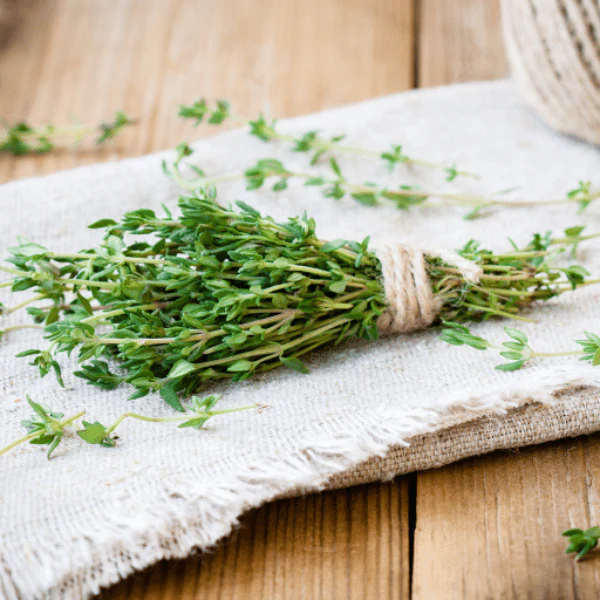
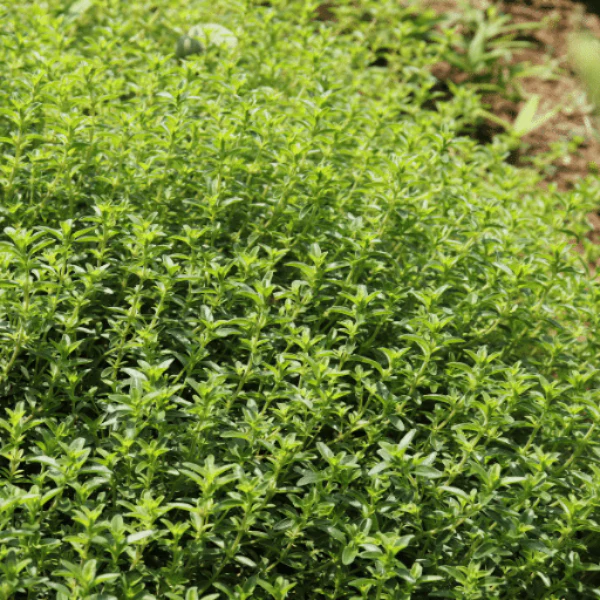
Growing your own thyme is a great idea, it grows outside maybe you can put the pot on the windowsill, don't overwater it as it needs slightly dry soil, and you are good to go. The small grey-green leaves will be grown on clusters of thin stems that will bring the fresh aromatic thyme flavor straight into your dishes.
Organic Products Disclaimer:
Please note that this is a certified organic product, meaning it has been grown without the use of synthetic pesticides, fertilizers, or genetically modified organisms, and complies with organic certification standards.
Being natural and chemical-free, these products can be more susceptible to pests and may appear different than their non-organic counterparts. Therefore, we strongly advise thoroughly washing and inspecting all organic products before consumption.
Although we strive to deliver the highest quality products, we disclaim any liability for illnesses or adverse effects that may occur if the produce is not properly washed and prepared before consumption.
-
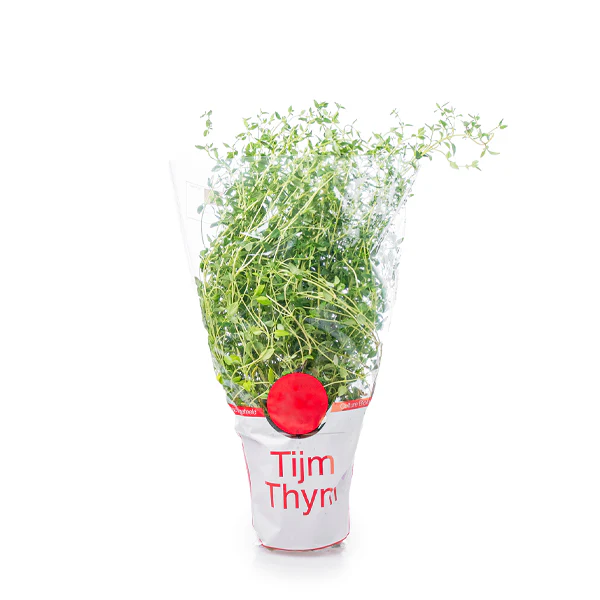
Removing the plastic bag is the first thing to do. Keep the plant indoors, not fully exposed to the sunlight. Make sure you water the plant every second day or whenever it looks floppy. Water deeply at least once a week. The best practice is to transplant to a larger pot. It keeps the roots growing deep and the soil moist. Your goal when growing in a container is to keep the soil from drying out. The best time of day for water is early in the morning. One last tip if you keep them in a pot is to have a flowerpot dish that's keeping the soil moist and at the same time, allows the water in excess to drain
Product Information
Product Information
Shipping & Returns
Shipping & Returns
Thyme, plant in a pot, organic, single piece
Thyme, plant in a pot, organic, single piece
Origin: Belgium
-
Growing your own thyme is a great idea, it grows outside maybe you can put the pot on the windowsill, don't overwater it as it needs slightly dry soil, and you are good to go. The small grey-green leaves will be grown on clusters of thin stems that will bring the fresh aromatic thyme flavor straight into your dishes.
Organic Products Disclaimer:
Please note that this is a certified organic product, meaning it has been grown without the use of synthetic pesticides, fertilizers, or genetically modified organisms, and complies with organic certification standards.
Being natural and chemical-free, these products can be more susceptible to pests and may appear different than their non-organic counterparts. Therefore, we strongly advise thoroughly washing and inspecting all organic products before consumption.
Although we strive to deliver the highest quality products, we disclaim any liability for illnesses or adverse effects that may occur if the produce is not properly washed and prepared before consumption.
-
Removing the plastic bag is the first thing to do. Keep the plant indoors, not fully exposed to the sunlight. Make sure you water the plant every second day or whenever it looks floppy. Water deeply at least once a week. The best practice is to transplant to a larger pot. It keeps the roots growing deep and the soil moist. Your goal when growing in a container is to keep the soil from drying out. The best time of day for water is early in the morning. One last tip if you keep them in a pot is to have a flowerpot dish that's keeping the soil moist and at the same time, allows the water in excess to drain
Product Information
Product Information
Shipping & Returns
Shipping & Returns
Description
Origin: Belgium
-
Growing your own thyme is a great idea, it grows outside maybe you can put the pot on the windowsill, don't overwater it as it needs slightly dry soil, and you are good to go. The small grey-green leaves will be grown on clusters of thin stems that will bring the fresh aromatic thyme flavor straight into your dishes.
Organic Products Disclaimer:
Please note that this is a certified organic product, meaning it has been grown without the use of synthetic pesticides, fertilizers, or genetically modified organisms, and complies with organic certification standards.
Being natural and chemical-free, these products can be more susceptible to pests and may appear different than their non-organic counterparts. Therefore, we strongly advise thoroughly washing and inspecting all organic products before consumption.
Although we strive to deliver the highest quality products, we disclaim any liability for illnesses or adverse effects that may occur if the produce is not properly washed and prepared before consumption.
-
Removing the plastic bag is the first thing to do. Keep the plant indoors, not fully exposed to the sunlight. Make sure you water the plant every second day or whenever it looks floppy. Water deeply at least once a week. The best practice is to transplant to a larger pot. It keeps the roots growing deep and the soil moist. Your goal when growing in a container is to keep the soil from drying out. The best time of day for water is early in the morning. One last tip if you keep them in a pot is to have a flowerpot dish that's keeping the soil moist and at the same time, allows the water in excess to drain