Baobab Fruit, Superfood, Habhaboh, 0.175 kg pack
Origin: Madagascar
The baobab fruit comes from the iconic baobab tree, often called the "Tree of Life." This fruit is oval-shaped, with a hard, woody shell. Inside, it contains a dry, powdery pulp that has a tangy, citrus-like flavor, with a slightly sweet and sour taste.
Here’s a more detailed description of the baobab fruit:
-
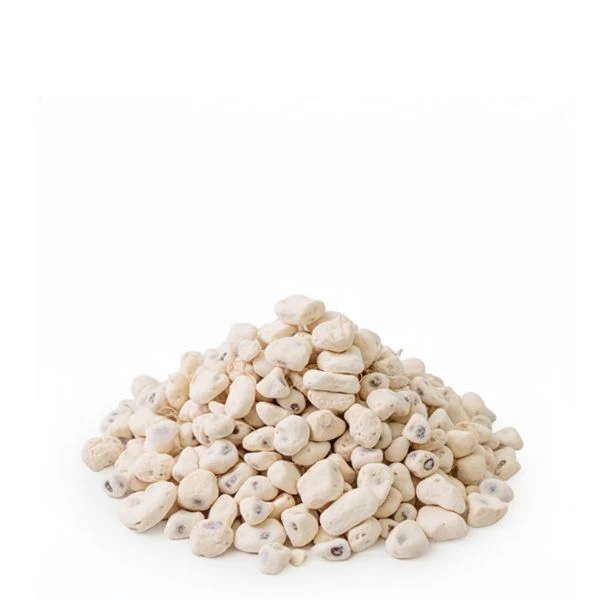
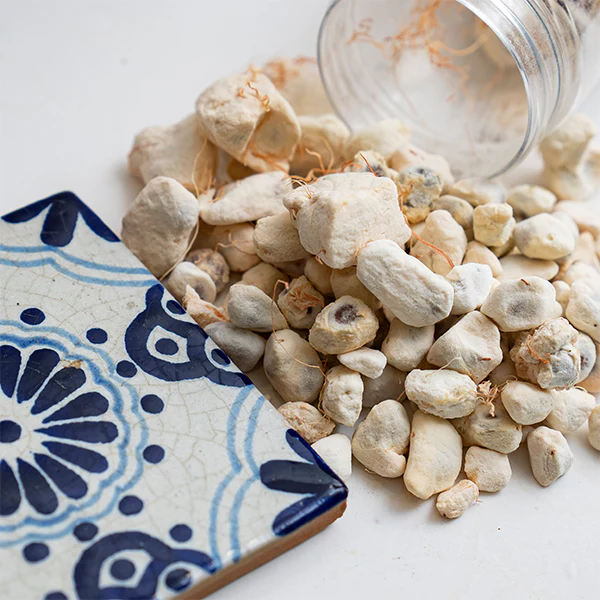
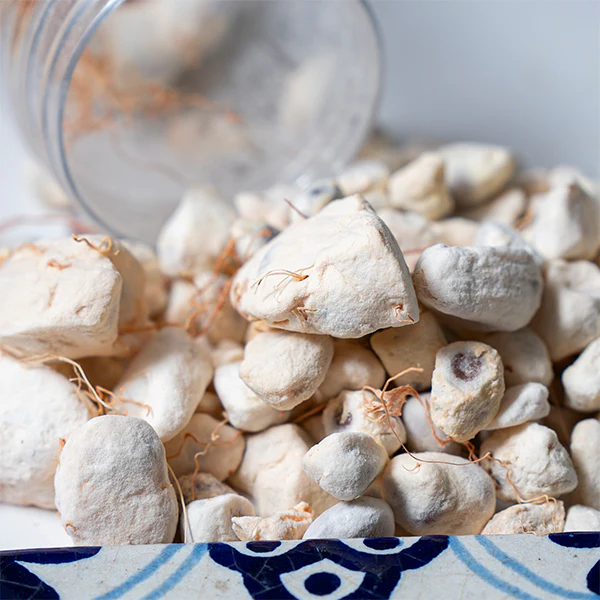
Appearance: The baobab fruit is large, about the size of a coconut or grapefruit. The exterior is tough and fibrous, while the inside contains the pulp, which is a powdery substance mixed with seeds. The pulp has a white or off-white color.
-
Nutritional Value: Baobab fruit is considered a "superfruit" due to its high nutritional content. It is packed with:
- Vitamin C: It contains more vitamin C than oranges, making it great for boosting the immune system.
- Fiber: The fruit is rich in both soluble and insoluble fiber, which supports digestion and gut health.
- Antioxidants: It has powerful antioxidants that help protect the body from free radicals.
- Minerals: The fruit contains calcium, magnesium, potassium, and iron.
-
Health Benefits:
- Immune Support: Thanks to its high vitamin C content, baobab fruit helps strengthen the immune system.
- Digestive Health: The fiber in baobab fruit promotes healthy digestion and helps regulate bowel movements.
- Anti-inflammatory Properties: The antioxidants in baobab may help reduce inflammation in the body.
- Skin Health: The vitamin C and antioxidants may also help maintain healthy skin and promote collagen production.
-
Culinary Uses: The pulp of the baobab fruit is commonly dried and powdered. It’s used in smoothies, juices, and health supplements, or it can be added to foods like cereals, desserts, and baked goods. Its tangy flavor makes it a popular ingredient in both sweet and savory dishes.
-
Cultural Significance: In many parts of Africa, the baobab tree and its fruit are of great cultural importance. The fruit is often used in traditional medicine, and the tree itself is a symbol of strength and resilience.
Product Information
Product Information
Shipping & Returns
Shipping & Returns
Baobab Fruit, Superfood, Habhaboh, 0.175 kg pack
Baobab Fruit, Superfood, Habhaboh, 0.175 kg pack
Origin: Madagascar
The baobab fruit comes from the iconic baobab tree, often called the "Tree of Life." This fruit is oval-shaped, with a hard, woody shell. Inside, it contains a dry, powdery pulp that has a tangy, citrus-like flavor, with a slightly sweet and sour taste.
Here’s a more detailed description of the baobab fruit:
-
Appearance: The baobab fruit is large, about the size of a coconut or grapefruit. The exterior is tough and fibrous, while the inside contains the pulp, which is a powdery substance mixed with seeds. The pulp has a white or off-white color.
-
Nutritional Value: Baobab fruit is considered a "superfruit" due to its high nutritional content. It is packed with:
- Vitamin C: It contains more vitamin C than oranges, making it great for boosting the immune system.
- Fiber: The fruit is rich in both soluble and insoluble fiber, which supports digestion and gut health.
- Antioxidants: It has powerful antioxidants that help protect the body from free radicals.
- Minerals: The fruit contains calcium, magnesium, potassium, and iron.
-
Health Benefits:
- Immune Support: Thanks to its high vitamin C content, baobab fruit helps strengthen the immune system.
- Digestive Health: The fiber in baobab fruit promotes healthy digestion and helps regulate bowel movements.
- Anti-inflammatory Properties: The antioxidants in baobab may help reduce inflammation in the body.
- Skin Health: The vitamin C and antioxidants may also help maintain healthy skin and promote collagen production.
-
Culinary Uses: The pulp of the baobab fruit is commonly dried and powdered. It’s used in smoothies, juices, and health supplements, or it can be added to foods like cereals, desserts, and baked goods. Its tangy flavor makes it a popular ingredient in both sweet and savory dishes.
-
Cultural Significance: In many parts of Africa, the baobab tree and its fruit are of great cultural importance. The fruit is often used in traditional medicine, and the tree itself is a symbol of strength and resilience.
Original: $3.87
-70%$3.87
$1.16Product Information
Product Information
Shipping & Returns
Shipping & Returns
Description
Origin: Madagascar
The baobab fruit comes from the iconic baobab tree, often called the "Tree of Life." This fruit is oval-shaped, with a hard, woody shell. Inside, it contains a dry, powdery pulp that has a tangy, citrus-like flavor, with a slightly sweet and sour taste.
Here’s a more detailed description of the baobab fruit:
-
Appearance: The baobab fruit is large, about the size of a coconut or grapefruit. The exterior is tough and fibrous, while the inside contains the pulp, which is a powdery substance mixed with seeds. The pulp has a white or off-white color.
-
Nutritional Value: Baobab fruit is considered a "superfruit" due to its high nutritional content. It is packed with:
- Vitamin C: It contains more vitamin C than oranges, making it great for boosting the immune system.
- Fiber: The fruit is rich in both soluble and insoluble fiber, which supports digestion and gut health.
- Antioxidants: It has powerful antioxidants that help protect the body from free radicals.
- Minerals: The fruit contains calcium, magnesium, potassium, and iron.
-
Health Benefits:
- Immune Support: Thanks to its high vitamin C content, baobab fruit helps strengthen the immune system.
- Digestive Health: The fiber in baobab fruit promotes healthy digestion and helps regulate bowel movements.
- Anti-inflammatory Properties: The antioxidants in baobab may help reduce inflammation in the body.
- Skin Health: The vitamin C and antioxidants may also help maintain healthy skin and promote collagen production.
-
Culinary Uses: The pulp of the baobab fruit is commonly dried and powdered. It’s used in smoothies, juices, and health supplements, or it can be added to foods like cereals, desserts, and baked goods. Its tangy flavor makes it a popular ingredient in both sweet and savory dishes.
-
Cultural Significance: In many parts of Africa, the baobab tree and its fruit are of great cultural importance. The fruit is often used in traditional medicine, and the tree itself is a symbol of strength and resilience.